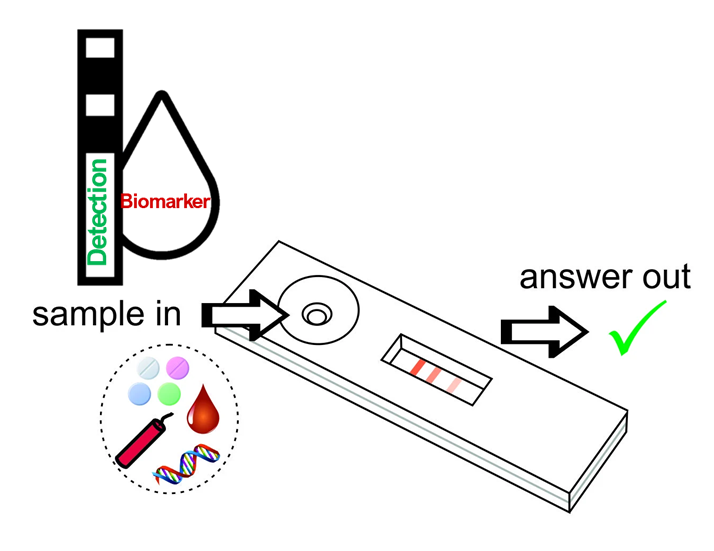
Enzyme-driven rapid tests for Lupus Nephritis
Lead: Salman Promon
Team Members: Shuvethapriya Sampathkumar
Project Summary:
A chromogenic point-of-care rapid test for detecting lupus nephritis in urine offers a simple, fast, and non-invasive diagnostic approach. This type of test uses color-producing substrates that react with specific biomarkers associated with kidney inflammation, such as urinary NGAL, MCP-1, or complement activation fragments. When the target biomarker binds to the test chemistry, a visible color change appears within minutes, allowing quick interpretation without specialized equipment. Such tests can support early detection, disease monitoring, and timely treatment decisions, especially in low-resource or outpatient settings. Overall, this approach enhances accessibility and enables real-time assessment of lupus nephritis activity.
What is already known in the field?
- Lupus nephritis is a serious complication of systemic lupus erythematosus, often detected via proteinuria or kidney biopsy.
- Traditional diagnostics are invasive, time-consuming, and require laboratory infrastructure.
- Urinary biomarkers have been linked to kidney inflammation, offering potential for non-invasive detection.
What is new?
- This study focuses on developing rapid, point-of-care urine tests for lupus nephritis using chromogenic substrates.
- Enzyme biomarkers such as MMP-13, cathepsins, and plasmin are leveraged for direct colorimetric detection.
- This approach enables non-invasive, real-time monitoring of kidney inflammation without complex lab equipment.
Why is this important?
This approach is important because it enables rapid, cheap, non-invasive, and real-time detection of kidney inflammation, allowing early diagnosis and timely intervention for lupus nephritis, ultimately improving patient outcomes.
Ongoing/future steps:
- Validating the chromogenic urine test in larger patient populations to ensure accuracy and reliability.
- Additionally, integrating the test into portable, user-friendly devices for home or bedside monitoring could enhance frequent, real-time disease tracking.